
The Great Buddha of Mount Oudong
A folktale from Kandal Province
A folktale about the great Buddha statue on the mountain of the old capital, Oudong.
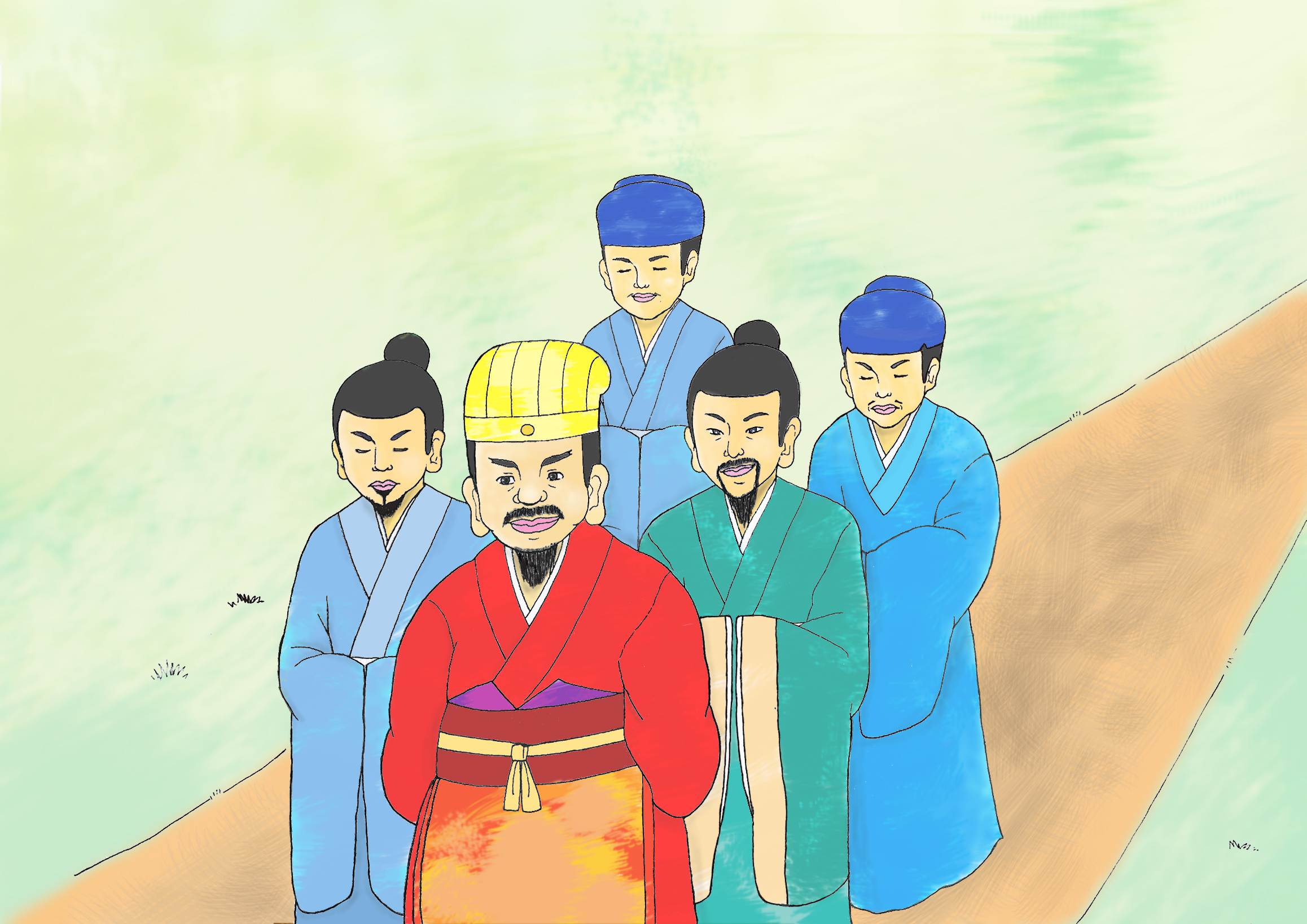
About 45 km north of Phnom Penh lies the town of Oudong. Phnom Penh is the capital today, but in the era before that, Oudong was the capital of Cambodia. The tombs of many past kings are still honored on Mount Oudong.
Long, long ago, a delegation was sent to Indochina from China, the great power to the north. The party visited Oudong, the capital of Cambodia, and climbed Mount Oudong, which commands a fine view.
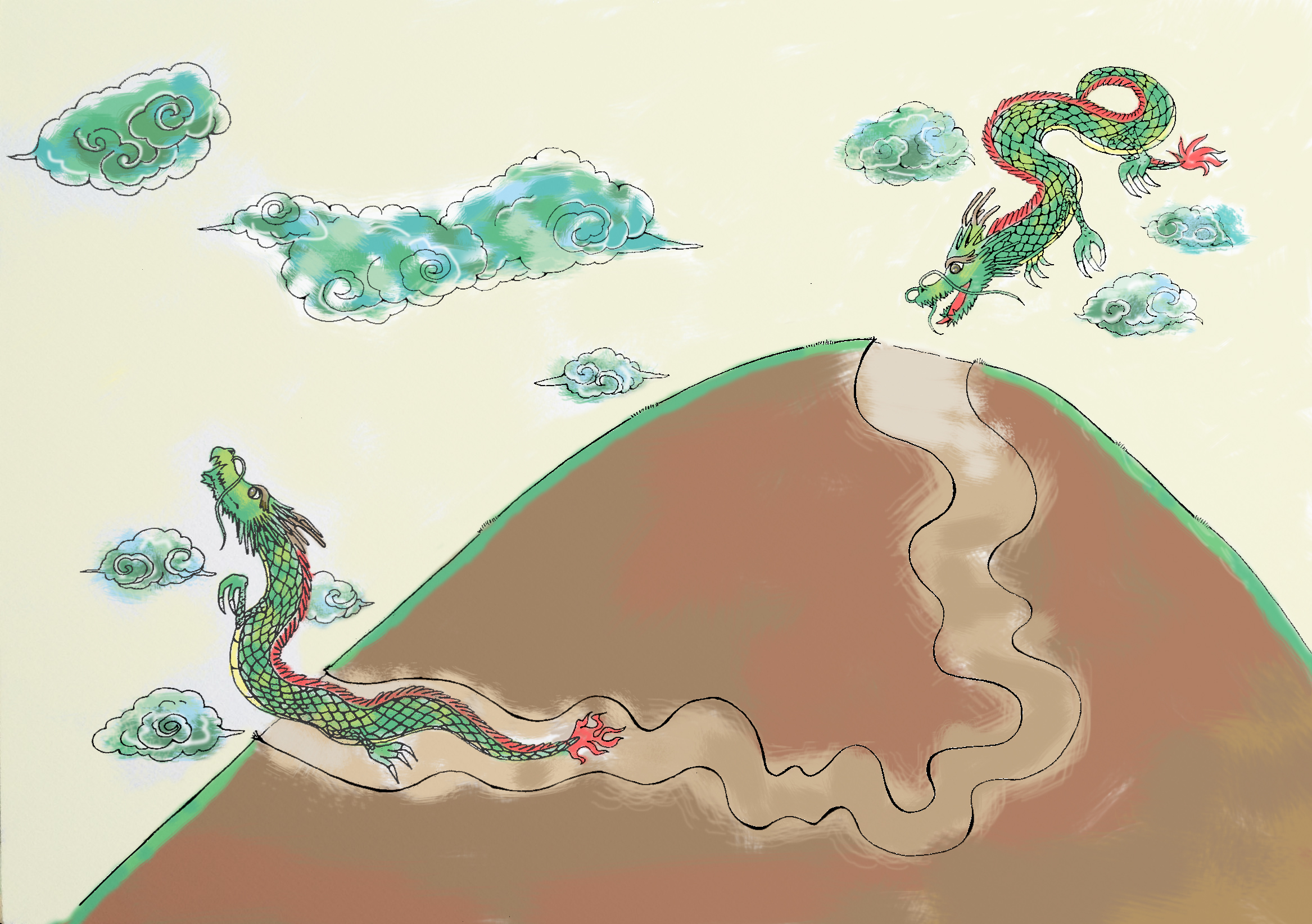
A feng shui master among the delegation noticed that Mount Oudong had two caves facing each other. According to legend, if a dragon entered the mountain through one cave and came out through the other, the land would greatly prosper.
Fearing that Cambodia might become more prosperous than their own country, the delegation racked their brains for a way to prevent it.
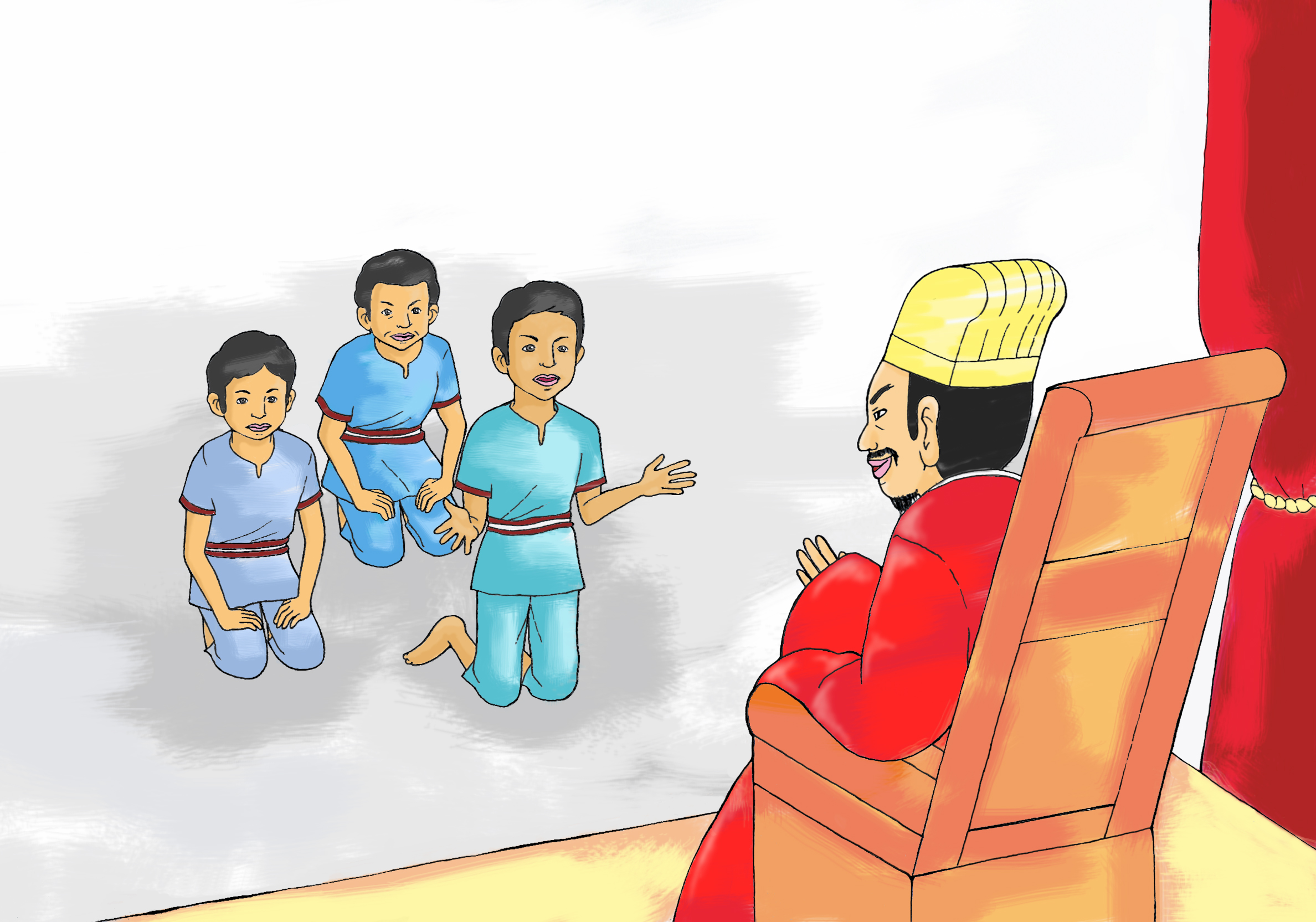
The head of the delegation asked the people of Oudong, "What gods do you believe in here?" Hearing the answer, "We are all Buddhists," the party came up with a plan.
If they built a large Buddha statue and used it to block one of the caves, no dragon could pass through the mountain, even if one came. And so a magnificent great Buddha came to be built for the people of Oudong.
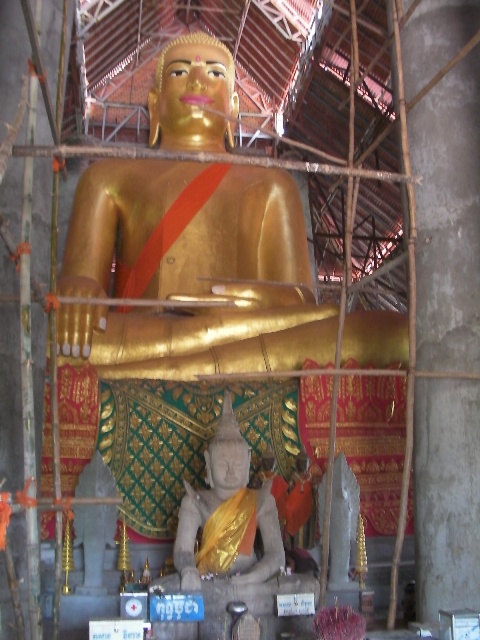
When the statue was finished, the people of Oudong thanked the delegation deeply: "You have made us such a splendid Buddha!" The delegation, for their part, were relieved, thinking, "Now we need not worry about Cambodia threatening us," and it is said they returned to China well satisfied.
That, they say, is why a great Buddha is still worshipped on Mount Oudong today.
The end.
About this story
Oudong was the capital of Cambodia from around 1618 to 1866, a period that roughly overlaps Japan's Edo era. It is said that there was even a Japanese town there at the time, thanks to the red-seal ship trade.
The statue itself is thought to have been built in the 13th or 14th century, several hundred years before Oudong flourished as the capital, and the "Chinese delegation" in the story is believed to date from the Yuan or Ming dynasty. Beneath the floor of the hall, layers of 13th–14th-century bricks and pillars and tiles from a 1911 renovation have been found. A researcher who worked on site told us, "Most Buddha statues in Cambodia face east, but it is interesting that this one alone sits facing north, toward China."